Innovative Architectural Designs for Modern Living Spaces

In the ever-evolving world of architecture, the designs of modern living spaces are not just about aesthetics; they reflect our changing lifestyles, values, and the environment. As urbanization continues to rise, innovative architectural designs are emerging to meet the needs of contemporary living. This blog post explores some of the most exciting trends and ideas in modern architecture that are reshaping how we live, work, and interact with our surroundings.
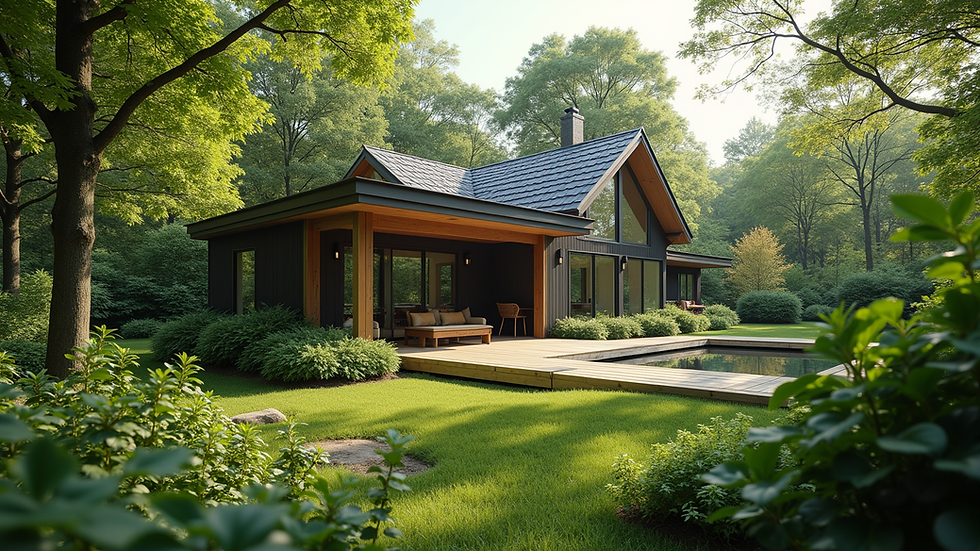
The Rise of Sustainable Architecture
Sustainability is no longer just a buzzword; it has become a fundamental principle in modern architecture. As awareness of climate change grows, architects are increasingly focusing on eco-friendly designs that minimize environmental impact. Here are some key elements of sustainable architecture:
Energy Efficiency
Modern homes are being designed with energy efficiency in mind. This includes:
Solar Panels: Harnessing the sun's energy to power homes.
High-Performance Insulation: Reducing heating and cooling costs.
Energy-Efficient Windows: Minimizing heat loss and gain.
Use of Sustainable Materials
Architects are opting for materials that are renewable, recyclable, or have a low environmental impact. Examples include:
Bamboo: A fast-growing, sustainable alternative to traditional wood.
Recycled Steel: Reduces the need for new materials and lowers carbon emissions.
Reclaimed Wood: Gives new life to old materials while adding character to designs.
Green Roofs and Walls
Incorporating vegetation into buildings not only enhances aesthetics but also improves air quality and insulation. Green roofs and living walls are becoming popular features in urban environments.
Minimalism: Less is More
Minimalism has gained traction in modern architecture, emphasizing simplicity and functionality. This design philosophy focuses on:
Open Spaces
Modern living spaces often feature open floor plans that create a sense of spaciousness. This design allows for flexible use of space and encourages natural light to flow throughout the home.
Clean Lines and Neutral Palettes
Minimalist designs prioritize clean lines and a neutral color palette, creating a calming environment. This approach helps to reduce visual clutter and promotes a sense of tranquility.
Multi-Functional Furniture
In smaller living spaces, multi-functional furniture is essential. Pieces that serve multiple purposes, such as sofa beds or extendable dining tables, maximize utility without sacrificing style.
Smart Homes: The Future of Living
Technology is transforming the way we interact with our living spaces. Smart home technology is becoming increasingly integrated into modern architectural designs. Key features include:
Home Automation
From lighting and heating to security systems, home automation allows residents to control various aspects of their home remotely. This not only enhances convenience but also improves energy efficiency.
Smart Appliances
Modern kitchens are equipped with smart appliances that can be controlled via smartphone apps. These appliances can help reduce energy consumption and streamline daily tasks.
Integrated Technology
Architects are designing homes with built-in technology, such as charging stations and sound systems, seamlessly integrated into the architecture. This creates a clean and uncluttered look while enhancing functionality.
Biophilic Design: Connecting with Nature
Biophilic design emphasizes the connection between humans and nature. This approach is gaining popularity as people seek to create healthier living environments. Key elements include:
Natural Light
Maximizing natural light is essential in biophilic design. Large windows, skylights, and open spaces allow sunlight to flood interiors, promoting well-being and reducing reliance on artificial lighting.
Indoor Plants
Incorporating plants into living spaces not only improves air quality but also enhances mood and productivity. Architects are designing homes with dedicated spaces for indoor gardens or green walls.
Natural Materials
Using materials that reflect the natural environment, such as stone, wood, and clay, helps create a sense of harmony between the home and its surroundings.
Adaptive Reuse: Breathing New Life into Old Structures
Adaptive reuse involves repurposing old buildings for new uses, preserving their historical significance while meeting modern needs. This approach offers several benefits:
Sustainability
By reusing existing structures, architects reduce waste and the environmental impact associated with new construction. This practice also conserves resources and energy.
Unique Character
Old buildings often possess unique architectural features that can be highlighted in new designs. This adds character and charm to modern living spaces.
Community Revitalization
Adaptive reuse projects can revitalize neighborhoods, attracting new businesses and residents while preserving cultural heritage.
Conclusion: Embracing the Future of Living Spaces
Innovative architectural designs are reshaping modern living spaces, reflecting our values and aspirations. From sustainable practices to smart technology and biophilic design, these trends are not just about aesthetics; they are about creating environments that enhance our quality of life. As we move forward, embracing these innovative approaches will be essential in building homes that are not only beautiful but also functional and sustainable.
By understanding these trends, homeowners and architects alike can contribute to a future where living spaces are designed with both people and the planet in mind. Whether you are planning a new home or looking to renovate, consider how these innovative designs can transform your living experience.


Comments